
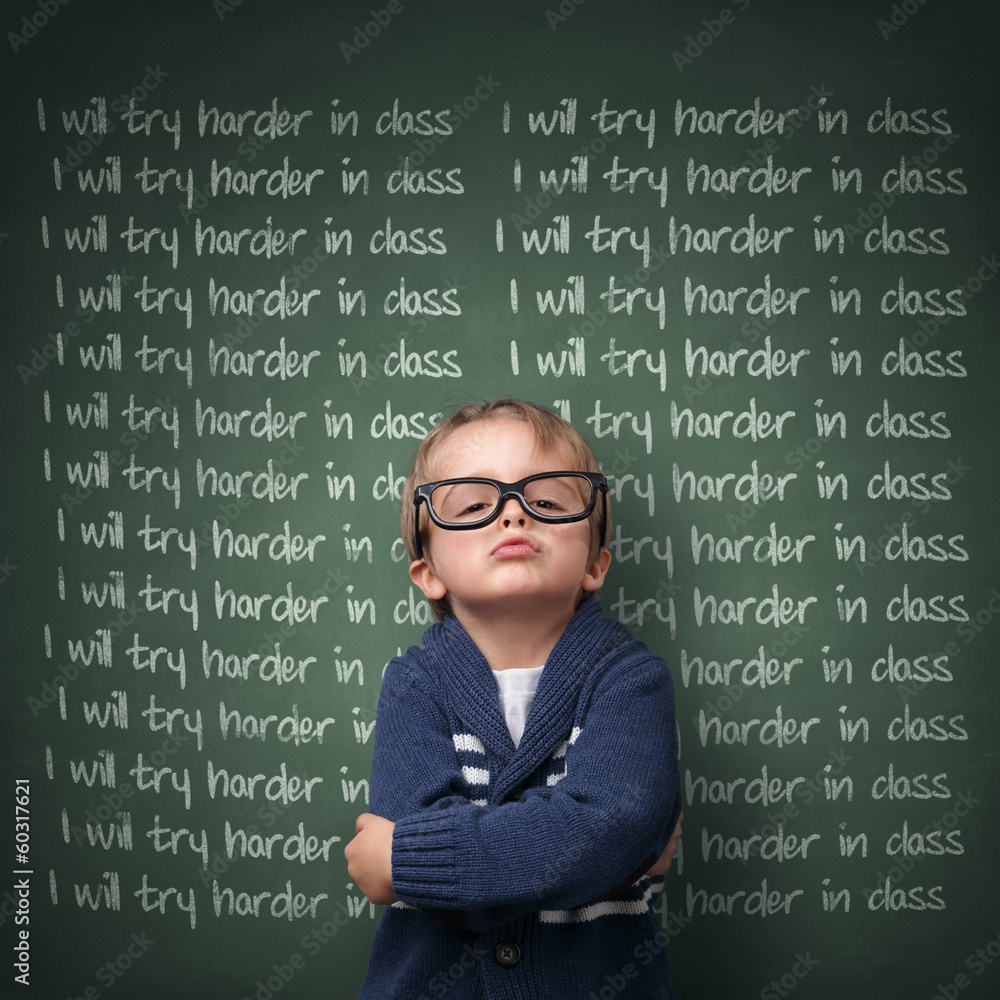
Behaviour and Discipline in Independent Schools: Fair and Effective Policies
Behaviour and discipline are core elements of the student experience in independent schools, shaping everything from classroom atmosphere to broader school culture. Behaviour and discipline are also often at the centre of conflict between parents and independent schools. While schools will have established policies for managing student behaviour in some form, these policies can sometimes feel disproportionately harsh, inconsistently applied, or unclear, which can lead to concerns that one or more children is being treated unfairly.
Parents can find themselves in difficult situations, trying to balance their respect for the school’s authority with the need to advocate for their child. Addressing these concerns requires understanding the school’s behaviour and discipline policies, assessing the context of the issue, and knowing when and how to escalate issues when necessary.
Understanding School Discipline Policies
Discipline policies vary widely between independent schools, but parents often encounter issues such as:
- Disproportionate punishment: Detentions, suspensions, or exclusions that seem excessive for the behaviour in question.
- Inconsistent application: Some students may seem to receive harsher punishments.
- Lack of transparency: Schools may fail to communicate the specific reasons for disciplinary actions, or parents may feel left out of the decision-making process.
Parents should request access to the school’s behaviour and disciplinary policies along with any other documents that establish student expectations. These policies should outline procedures for handling behavioural incidents and escalating disciplinary actions. It is important to understand how the school defines unacceptable behaviour, what consequences are possible, and the channels for appealing decisions. Many parents are surprised to learn, when they go to look for this information, that it is spread over several policies and reserves a staggering amount of discretion for school leadership. This is not an oversight or misunderstanding, but rather a deliberate feature of how independent schools approach behaviour and disciplinary matters.
In our conversations with school leadership over the years it seems that many schools do this in order to maximise their discretion. School leadership often argues that detailed behaviour policies would limit their ability to use context and judgment, potentially to the detriment of students. Others argue that this amount of discretion is entirely in appropriate and will necessarily lead to unfair outcomes and confusion around behaviour expectations. Still others will point out that this approach contributes to a concerning lack of accountability for schools. There are valid points in each of these arguments, and of course, a balanced approach that provides some clear guidelines and boundaries and also allows for discretion where appropriate would be ideal. Families should consider these policies and what they say about a school’s approach to behaviour and student support before committing to a school and long before behaviour concerns arise.
Minor, Complex Example Scenario:
Charlie, a Year 9 student, received a detention for wearing the wrong socks to school. While Charlie’s parents understand that dress code rules exist for a reason, they felt the detention was overly harsh for a minor infraction, particularly because other students were not disciplined for similar violations, and students typically receive detentions for things like having a vape at school. They worry that this incident may set a precedent and result in Charlie being singled out for minor issues in the future.
Escalation Pathway:
Charlie’s parents felt this situation was minor and complex because although the initial issue seems relatively minor, it involves the inconsistent application of a school policy, has the potential for longterm impact, and potentially involves bias. To start, Charlie’s parents requested an informal meeting with their main point of contact at school, Charlie’s tutor. The tutor was unavailable to meet in person, but eventually agreed to a phone call. Charlie’s parents asked for a more measured response, but Charlie’s tutor said it was school policy, and Senior Leadership had requested the dress code be enforced more strictly. Although Charlie’s parents felt after this meeting that it was probably bad luck for Charlie rather than bias or something more problematic, they still felt it was unfair for Charlie to have such a severe sanction over something so small, especially without fair warning. They contacted the Head of Year, who reiterated what Charlie’s tutor said, but agreed that it was unfortunate timing for Charlie and agreed that the detention be waived under the circumstances.
Major, Simple Example Scenario:
Emma, a Year 10 student, was suspended for two days after a heated argument with a teacher during class. While Emma’s parents do not condone her behaviour, they felt this punishment was too severe, especially because it was Emma’s first offence. Her parents were also concerned it could negatively impact Emma’s academic progress and reputation in this school.
Escalation Pathway:
Emma’s parents emailed the Head of Year to discuss the suspension and requested a reconsideration of the punishment. The Head of Year declined to do so and said that if they were unhappy, they could speak to the Deputy Head (a member of the SLT), which they did immediately. The Deputy Head agreed to meet in person, and Emma’s parents were shocked to learn that this was not in fact Emma’s first offence, and the description of the incident as a “heated argument” was perhaps generous. Emma had previously been sanctioned for disrupting this teacher’s lessons and in this instance, shoved the teacher’s belongings off her her desk as she stormed out of the room. Emma’s parents were truly shocked by this behaviour, but also that they had not been informed of Emma’s previous outbursts. The Deputy Head agreed to work closely with Emma’s parents to better understand the root cause of her behaviours and to support her, including a series of mediated conversations with this particular teacher after Emma’s suspension was completed.
Major, Complex Concern:
Ollie, a Year 11 student, received notification that he would be expelled from his boarding school for behaviour on a school trip. Ollie illegally purchased alcohol and snuck out of his hotel room to share it with a group of other students. Things escalated and Ollie engaged in a physical altercation with another student (not his first) that resulted in property damage to the hotel. Ollie’s parents feel the expulsion is an extreme measure and inappropriate given the lack of supervision the school provided on the trip and the lack of communication around Ollie’s behaviour leading up to this incident. His parents believe that if they had known about Ollie’s previous fights and other troubling behaviours, they could have helped to support him.
Escalation Pathway:
Given the seriousness of the issue, Ollie’s parents first requested the school share Ollie’s full behaviour record and any relevant behaviour and disciplinary policies. Normally behaviour and disciplinary decision appeals begin with the Senior Leadership Team, but in cases of expulsion, it is the Head of School. Ollie’s parents wrote to her to request a meeting and set out why they felt they should be able to have the opportunity to support Ollie before such an extreme decision is made. The Head of School agreed to a meeting, where Ollie’s parents agreed to a compromise of sorts. Ollie would not return to school, but would not technically be expelled, and the Head of School would work to secure a place at another similarly situated boarding school better suited to provide the kind of support they felt Ollie needed. Ollie’s parents considered escalating to the Board of Governors and exploring their legal options, but decided that the best outcome for Ollie would likely be to start over at a new school, even with the disruption, and they worried that if they fought the expulsion unsuccessfully, they might struggle to secure a place for Ollie at all.
What to Expect from Schools
The best independent schools will have a clear and transparent disciplinary policy that outlines the school’s approach to behavioural issues, including the steps for resolving conflicts and the possible consequences for various types of infractions. But while families ought to expect this from their independent schools, it is surprising how many schools fail to meaningfully provide it. We recommend families to consider how a school approaches behaviour and discipline long before issues arise and even before contracts are signed, even if they do not expect issues to arise. Beyond policies and communication around behaviour and discipline, families might also consider how the school’s approach fits with the school’s ethos are environment more broadly. Some schools have proudly maintained the same or similar policies for centuries, while others have leaned into a more restorative approach, and still others, well, it remains unclear exactly what some other schools are doing.
The best schools will work with families to better understand individual circumstances and will differentiate between behaviour that is problematic and behaviour that is problematic and dangerous. In our experiences, parents who are proactive and engage the school directly when behaviour concerns arise often have better experiences overall. This means communicating concerns clearly, documenting interactions with the school, and understand and adhering to the escalation process.
Families should also consider any potential underlying causes of problematic behaviour and seek external support where needed. It is rare to find a happy, healthy, secure, and supported young person who has repeated or severe behaviour concerns at school. While schools should ideally communicate their concerns with parents, parents should not take that as a given. Parents should also be realistic about how much supervision schools are willing and able to provide across various settings and consider whether lower supervision environments are ideal or not for their child. It would be highly unusual for a school to broadcast a low supervision environment, so parents might make the extra effort to read between the lines and speak with other parents.
*We never share real names or details around real conflicts. These examples are purely fictional and are intended purely for demonstrative purposes. Any likeness to a real person or situation is purely coincidental.
Leave a Reply